
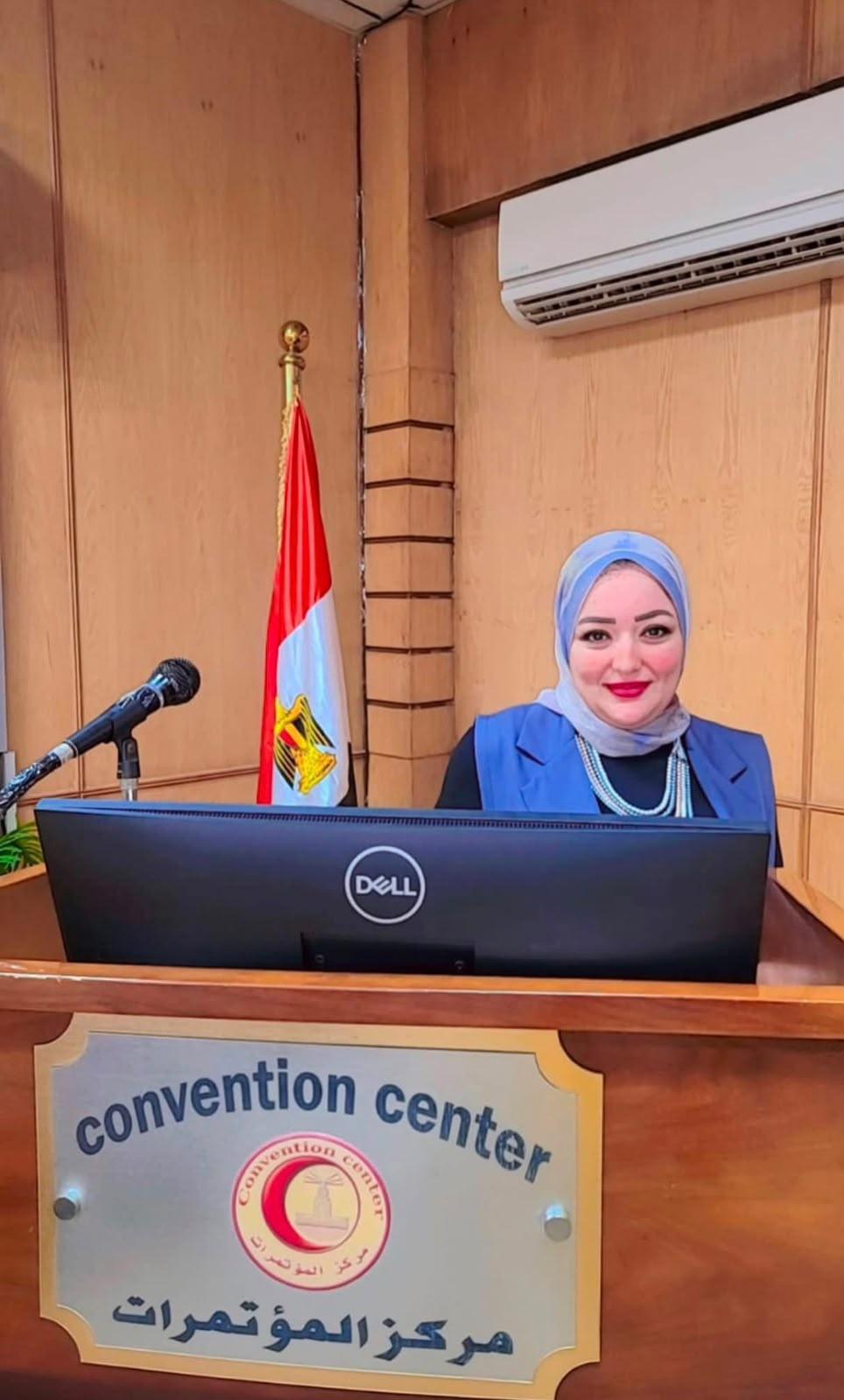
Dr. Nourhan Abou El-Ala

Dr. Nourhan Abou El-Ala

Verified account

Dr. Nourhan Abou El-Ala

Psychiatrists Kafr El Sheikh 5 (22 Reviews)
Egypt's #1 Verified Directory Verified Information
Contact
Available Now
Book Appointment / Phone Whatsapp
Address

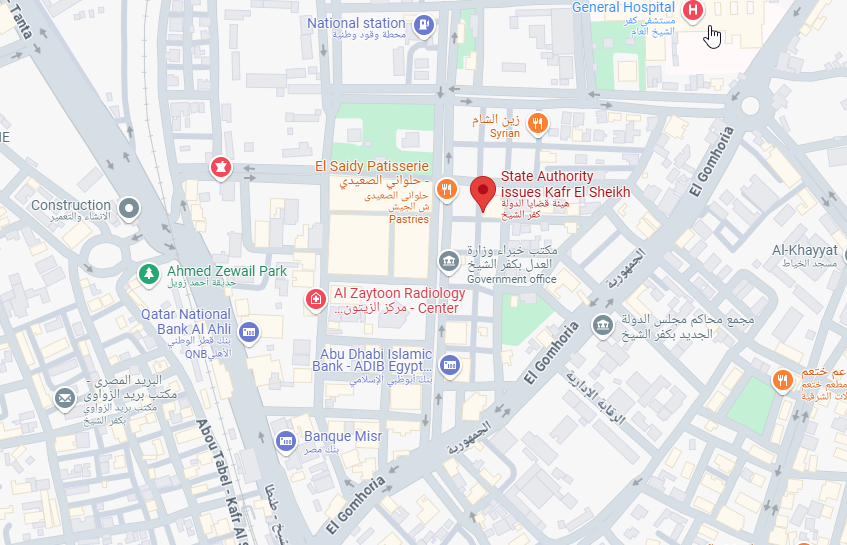
Tanta: El-Nahas Street, in front of Vodafone branch., , Kafr El Sheikh

Location
Dr. Nourhan Abou El-Ala
Follow Us
Overview

Dr. Norhan Abou Elala – Consultant in Mental Health & Family Counseling

Full Name Dr. Nourhan Abou El-Ala
City / Area Kafr El Sheikh
Description

Dr. Norhan Abou Elala – Consultant in Mental Health & Family Counseling 🌿✨

Discover a Balanced Life with Specialized Online Sessions!

Who is Dr. Norhan Abou Elala?

A certified specialist in psychological and family counseling, and a professional life coach.
She helps individuals achieve mental balance and overcome personal and professional challenges using the latest scientific methods.
Dr. Norhan offers individual and group sessions (in-person or online) to build healthy relationships and improve quality of life.

Dr. Norhan’s Services | In-Person & Online Sessions

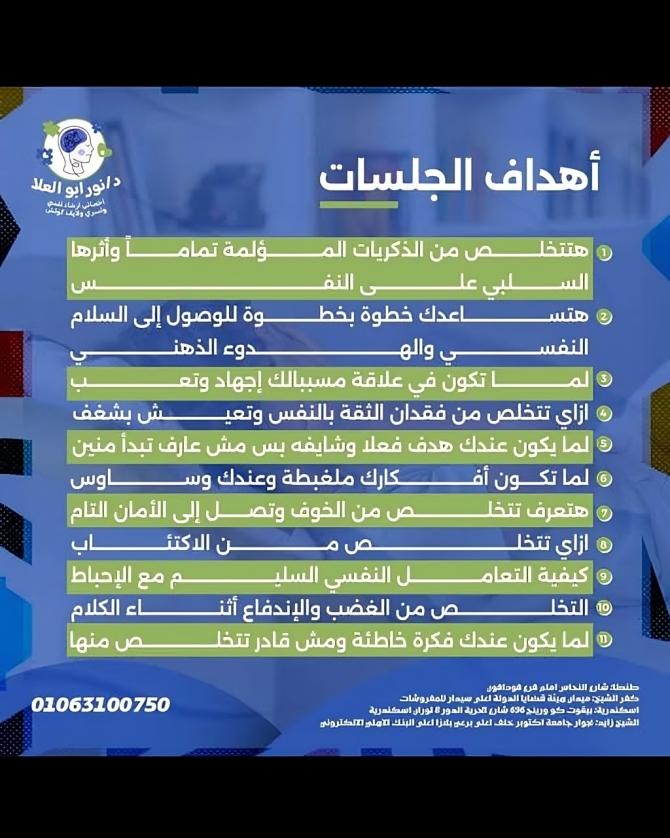
✅ Depression treatment to restore passion for life.
✅ Anxiety and stress management, transforming negative energy into positivity.
✅ Overcoming painful memories and their impact on mental health.
✅ Rebuilding self-confidence and overcoming the fear of failure.
✅ Resolving toxic relationship issues and fostering healthy communication.
✅ Flexible online sessions tailored to your needs and schedule.

Why Choose Dr. Norhan Abou Elala?

⭐ Extensive experience in mental health and self-development.
⭐ Modern therapeutic techniques such as cognitive reprogramming and relaxation methods.
⭐ Proven results in achieving emotional stability and professional success.
⭐ Flexible scheduling, with online sessions available across Egypt.

Clinic Locations + Online Sessions

📍 Tanta: El-Nahas Street, in front of Vodafone.
📍 Kafr El-Sheikh: State Lawsuits Authority Square.
📍 Alexandria: 696 El-Horreya Street, Loran.
📍 Sheikh Zayed: Near October University.
🌐 Online Sessions: Available nationwide via secure platforms.

How to Book Your Session?

📞 Call now: 01063100750
✨ Choose what suits you: In-person sessions at the clinics or online from anywhere!
🔗 Follow us on social media for more psychological insights.

Frequently Asked Questions:

💬 Are online sessions effective?
Yes! They are designed to provide psychological support with complete privacy and comfort.

💬 What is the cost of the sessions?
Call to inquire about available offers and discounts.

🚀 Start your transformation journey today!
Whether in-person or online, Dr. Norhan Abou Elala will help you regain inner peace and build a life full of achievements.

📲 Don't hesitate – Book your session now: 01063100750


Tags
Book Online Therapy Sessions Certified Psychiatrist Contact Number in Egypt Discounted Therapy Sessions Psychiatric Clinics in Egypt Online Sessions Available for All Governorates Psychological and mental disorders Psychiatric Disorders Psychiatric Rehabilitation Latest Psychotherapy Techniques Relaxation Techniques for Mental Health Psychiatry Treatment of mental illnesses Psychotherapy for children Neuropsychological therapy Treatment of sleep disorders Sleep disorders. Cognitive Behavioral Therapy Online psychological consultations. Treating insomnia using CBT Child psychiatry. Phone number of a physiotherapist in Maadi. Best Psychiatrist Based on Experience Psychiatrist Phone Number Nearest Psychiatrist to My Location Psychiatrist and Behavior Modification Psychiatrist and Neurologist WhatsApp Number of a Psychiatrist Psychiatrist on WhatsApp Excellent Psychiatrist Teen Psychiatrist Psychiatrist for Children Psychiatrist for Teenagers Best Psychiatrist Based on Experience Psychiatrist Phone Number Nearest Psychiatrist to My Location Psychiatrist and Behavior Modification Psychiatrist and Neurologist WhatsApp Number of a Psychiatrist Psychiatrist on WhatsApp Excellent Psychiatrist Teen Psychiatrist Psychiatrist for Children Psychiatrist for Teenagers Psychiatrist for depression treatment Psychiatrist for anxiety treatment Psychiatrist for OCD treatment Psychiatrist for schizophrenia treatment Psychiatrist for bipolar disorder treatment Psychiatrist for panic disorder treatment Psychiatrist for PTSD treatment Psychiatrist for sleep disorders treatment Psychological support sessions Psychological consultations Confidential and safe psychiatrist Affordable psychiatrist Book an online therapy session Psychiatrist near me Mental health Psychological support Psychological consultation Psychotherapy Online psychological consultation Confidential psychotherapy sessions Affordable psychotherapy Reasonably priced psychological consultation Psychiatrist near you Nearby psychiatrist Closest psychiatrist Skilled psychiatrist Good psychiatrist Psychiatrist in Egypt Best Child Psychiatrist in Nasr City

News & Articles

Nov 12
صورة د. نورهان أبو العلا – استشاري الصحة النفسية والإرشاد الأسري تقدم جلسات أونلاين

Dr. Nourhan Abu El-Ala, Consultant in Mental Health and Family Counseling, offers online and in-person therapy sessions for depression, anxiety, relationship issues, and emotional balance.

FAQ

FAQ

Comprehensive and direct answers to the most frequently asked questions about available services and specialties.

Egypt's #1 Verified Directory

Symptoms:

1. Recurrent distressing and obsessive thoughts, such as fear of contamination or making mistakes, leading to constant feelings of anger or anxiety.

2. Compulsive behaviors manifested in repetitive actions, such as excessive hand washing or repeatedly checking things like doors or appliances.

Causes:

1. Genetic Factors: Individuals with a family history of obsessive-compulsive disorder (OCD) may be more prone to developing the condition.

2. Chemical Imbalances in the Brain: A deficiency in serotonin levels in the brain is linked to the development of OCD.

3. Environmental Factors: Life stressors or ongoing tension may contribute to the onset of symptoms.

Treatment:

1. Cognitive Behavioral Therapy (CBT): This is the most effective treatment for OCD, helping patients identify and cope with distressing thoughts in a constructive manner.

2. Medications: Selective Serotonin Reuptake Inhibitors (SSRIs) are used to reduce symptoms, and dosage adjustments may be needed based on the patient’s response.

Does it last a lifetime?

OCD can persist throughout life if not treated properly. However, effective treatment can significantly help individuals manage symptoms and improve their quality of life, making the symptoms more manageable.

 

1. Listening to them: It's important to listen to their feelings without judgment or criticism.

2. Encouraging expression: Help them express their feelings and anxiety in a healthy way.

3. Teaching relaxation techniques: Such as deep breathing exercises or relaxation practices to calm them down.

4. Encouraging social activities: Interacting with friends or family can help improve their mood.

5. Psychotherapy: Such as Cognitive Behavioral Therapy (CBT), which helps them deal with anxiety more effectively.

6. Focusing on physical health: Exercise, getting enough sleep, and eating healthy foods all contribute to improving their mental well-being.

If the anxiety persists or has a significant impact, it’s advisable to consult a specialized mental health professional.

Obsessive-Compulsive Disorder (OCD) is a mental disorder that may persist for extended periods, but it does not necessarily remain as severe throughout life. Symptoms can vary in intensity over time, influenced by factors such as lifestyle changes, stress, and the treatment provided.

What to know:

Treatment can help significantly:

Psychotherapy: Cognitive Behavioral Therapy (CBT), especially the Exposure and Response Prevention (ERP) technique, is highly effective in reducing symptoms.

Medications: Selective Serotonin Reuptake Inhibitors (SSRIs) can alleviate symptoms.

Full recovery is possible:

Some individuals fully recover with appropriate treatment, while others may require long-term follow-up to manage symptoms.

Factors influencing the persistence of symptoms:

Patient's adherence to treatment.

Psychological and social support.

Presence of environmental stressors.

Role of prevention and follow-up:

Minimize excessive stress as much as possible.

Adhere to psychotherapy or medication even when feeling better.

Practice relaxation techniques and meditation.

Conclusion: OCD may last for life if not properly managed, but with proper care, it can be controlled, significantly reducing its impact on a person's life.

Behavior modification sessions for teenagers are therapeutic sessions designed to improve their behaviors by teaching them healthier and more positive responses to the situations they face. These sessions help in dealing with negative behaviors like excessive anger, aggression, poor focus, or social and psychological problems.

How Behavior Modification Sessions Work:

  1. Assessment: The first step is to assess the teenager's behaviors and identify the behaviors that need to be changed.
  2. Training: The teenager learns new techniques to manage their behaviors, such as identifying emotions and dealing with them in a healthy way.
  3. Rewards and Punishments: A reward system is used to reinforce positive behaviors, and mild punishments are implemented to reduce negative behaviors.

Goals:

1. Strengthen positive behaviors.

2. Improve social and communication skills.

3. Reduce destructive or negative behaviors.

Conclusion: Behavior modification sessions are an effective tool to help teenagers modify their behaviors and cope better with daily challenges

1. Identify unwanted behaviors: Such as anger, stubbornness, laziness, or aggressive behavior.

2. Encourage positive behaviors: Like following rules, improving communication skills, and boosting self-confidence.

3. Teach new skills: Such as anger management, problem-solving, and time management.

4. Improve social relationships: With family, friends, and teachers.

  1. Initial Assessment:
    An interview is conducted to understand the adolescent's behavior, their problems, and the surrounding influencing factors (such as family environment, school, and friends).

  2. Creating an Individualized Plan:
    A personalized treatment plan is designed based on the adolescent's needs.

  3. Implementing Behavior Modification Techniques:

    • Positive Reinforcement: Rewarding good behaviors to increase their frequency.
    • Negative Reinforcement: Removing factors that disturb the adolescent when they behave positively.
    • Planned Punishment: Using moderate consequences to reduce undesirable behaviors.
    • Planned Ignoring: Ignoring minor undesirable behaviors to reduce their impact.
    • Social Skills Training: Teaching the adolescent how to interact with others in healthy ways.


1. Excessive anger or irritability: If the teenager acts overly angry or irritated in normal situations.

2. Poor academic performance due to behavioral issues: If there are problems at school because of their behavior.

3. Difficulty interacting with others or making friends: If the teenager struggles with interacting with peers or forming healthy relationships.

4. Aggressive or destructive behaviors: If they engage in aggressive or harmful actions towards themselves or others.

5. Social withdrawal or avoiding responsibilities: If they prefer isolation or avoid their responsibilities at home or school.

6. Issues with home or school rules: If they have trouble respecting rules at home or at school.

These sessions help the teenager improve their behavior and better handle these issues

Personality Disorders are classified into three main groups according to the Diagnostic and Statistical Manual of Mental Disorders (DSM-5):

1. Group (A): Odd or Eccentric Disorders

Paranoid Personality Disorder: Persistent suspicion of others' intentions.

Schizoid Personality Disorder: Social isolation and lack of emotional expression.

Schizotypal Personality Disorder: Odd behaviors and beliefs.

2. Group (B): Dramatic or Emotional Disorders

Borderline Personality Disorder: Intense emotional fluctuations and unstable relationships.

Narcissistic Personality Disorder: Exaggerated sense of self-importance.

Histrionic Personality Disorder: Excessive behavior to gain attention.

Antisocial Personality Disorder: Disregard for others' rights and aggressive behavior.

3. Group (C): Anxiety and Fear-Based Disorders

Avoidant Personality Disorder: Fear of rejection and avoidance of relationships.

Dependent Personality Disorder: Excessive dependence on others.

Obsessive-Compulsive Personality Disorder: Excessive preoccupation with details and perfectionism


1. Genetic Factors:

Some studies suggest that personality disorders can be inherited. If a family member suffers from a specific personality disorder, there may be a higher likelihood of it occurring in subsequent generations. These genetic factors could involve genes that affect thinking patterns, social interaction, and response to various situations.

2. Environmental Factors:

Childhood Trauma: Exposure to trauma, such as violence, neglect, or the loss of a parent, can contribute to the development of personality disorders. Children who experience these traumas may develop unhealthy ways of managing their emotions and relationships in the future.

Abuse: Poor treatment at home, such as bullying or harsh treatment, can significantly impact a person's psychological development and make them more prone to developing personality disorders later in life.

3. Psychological Factors:

Unhealthy Attachment Patterns: Children raised in environments lacking emotional security and effective communication with their parents or caregivers may develop attachment issues. This type of attachment can lead to feelings of mistrust or social anxiety later in life, contributing to the emergence of personality disorders.

Search Directory